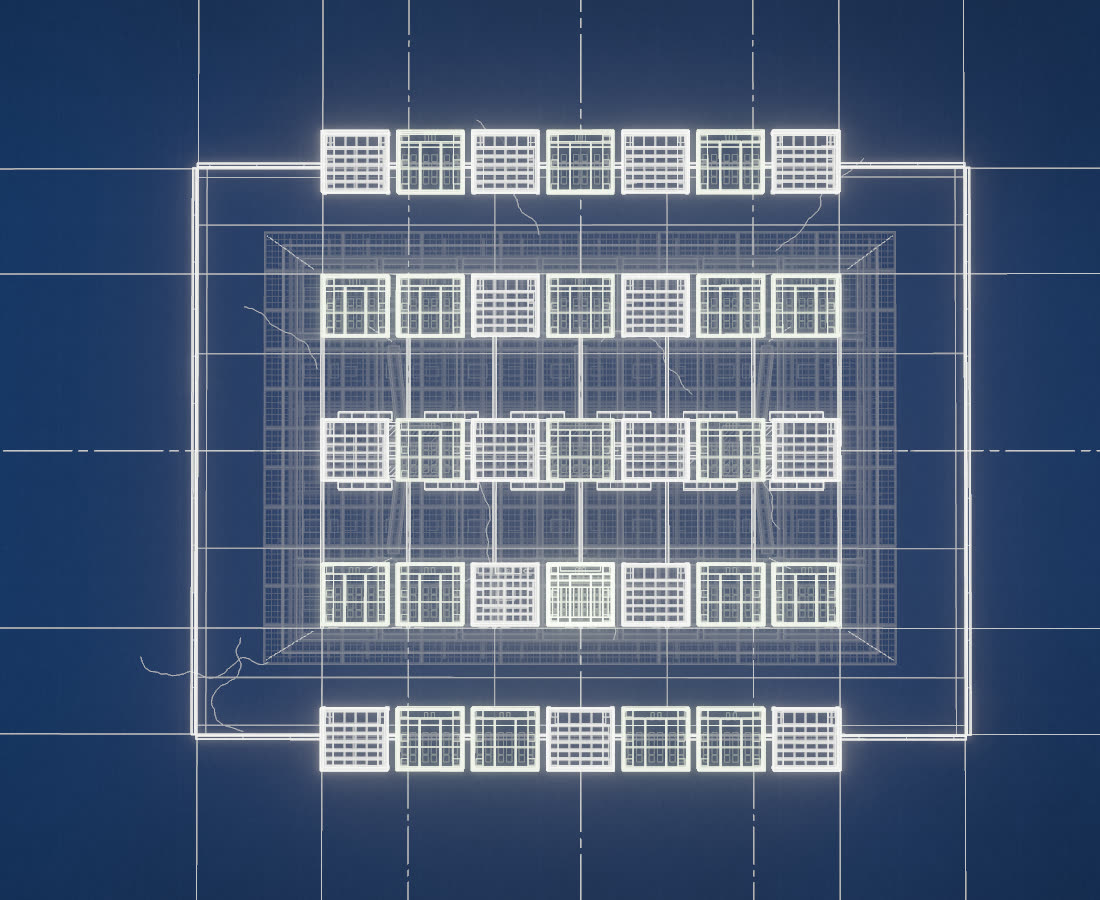
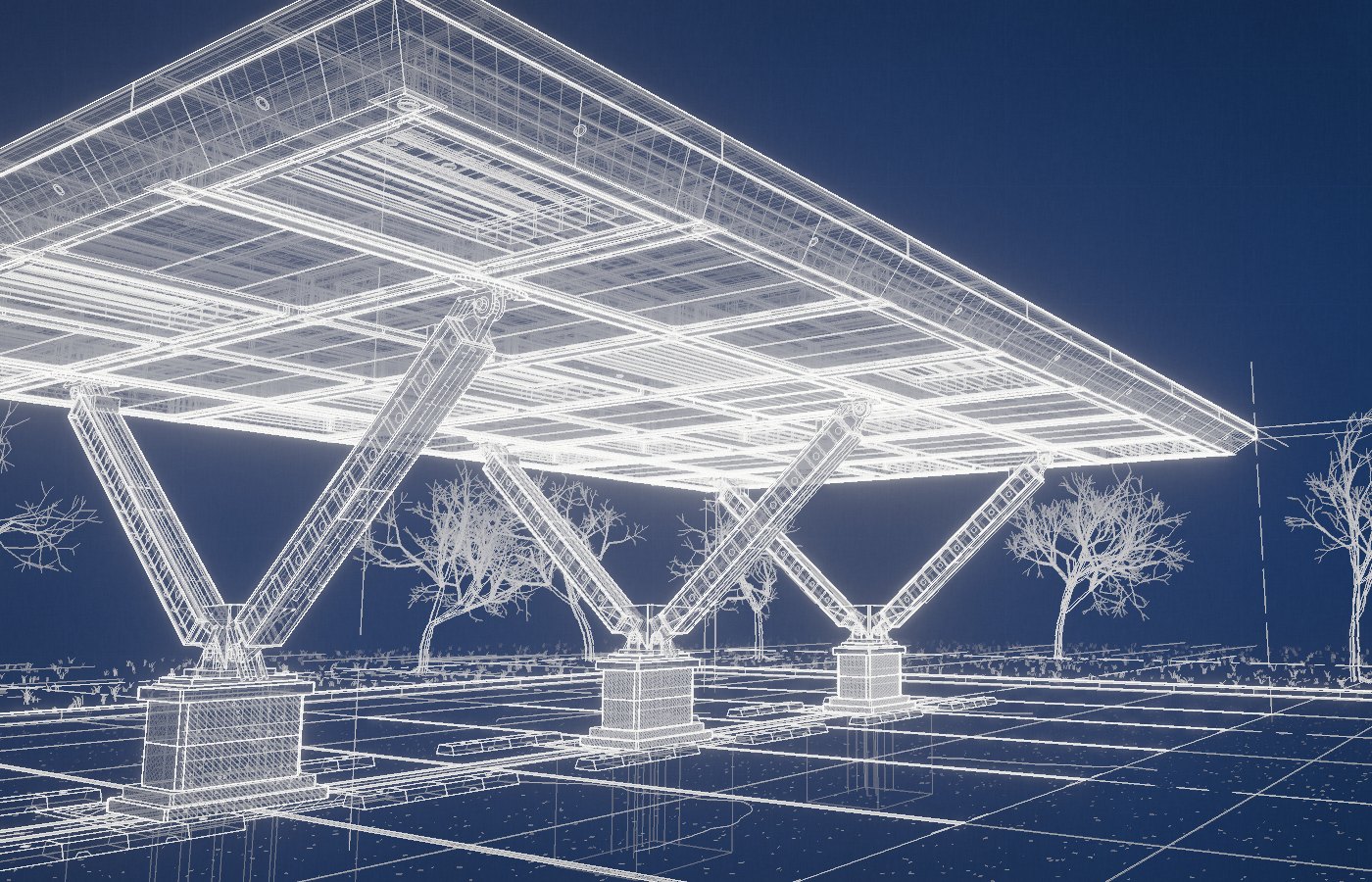
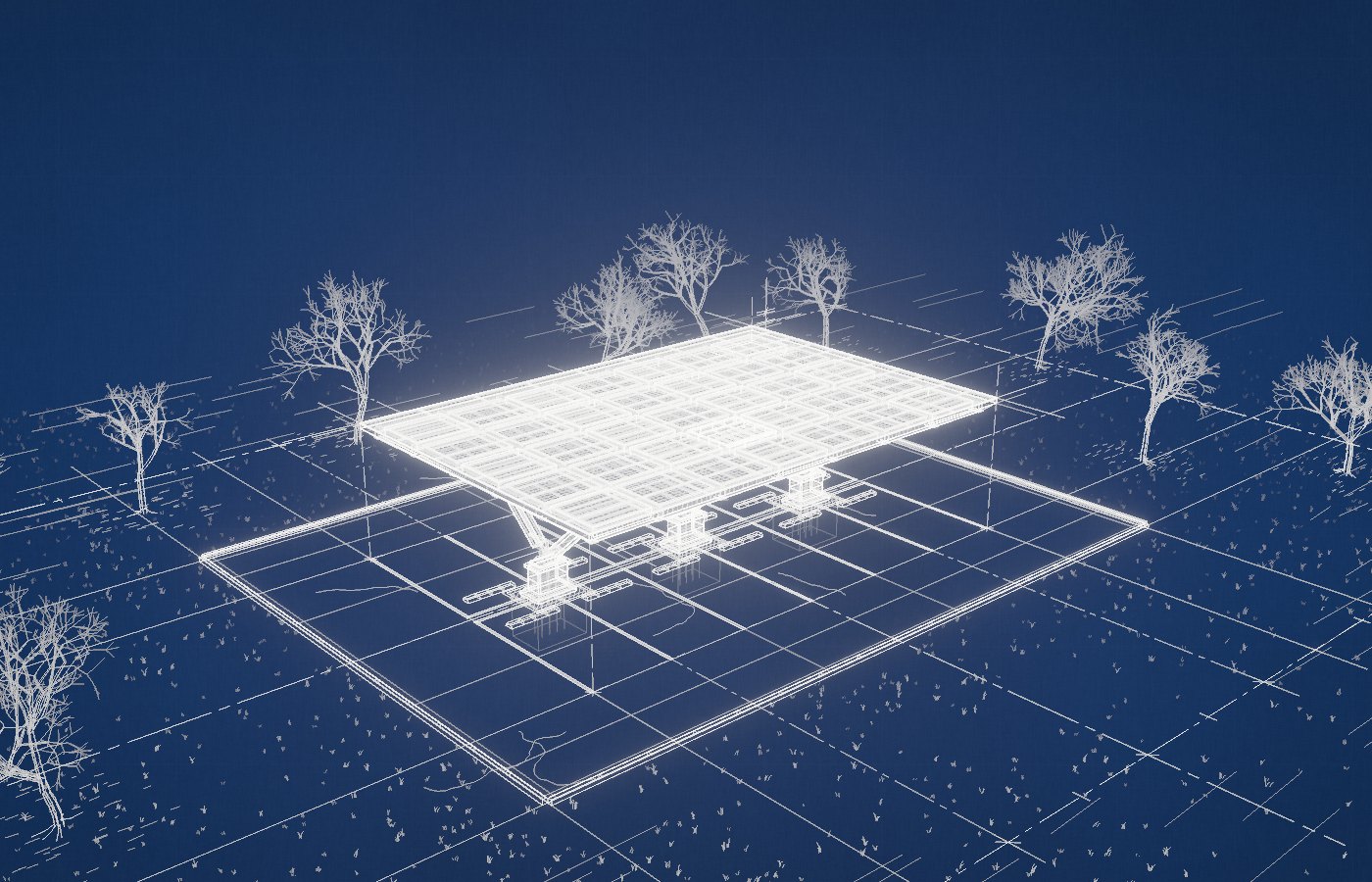
Drafting the canopy

Distributed AI Data Centers

GPU compute in canopies over parking lots.

Power-sovereign AI at the edge, with integrated battery storage.

The Solution

Solving the AI compute crisis, one parking lot at a time.

Distributed GPU data centers, deployed over underused parking lots.

One Canopy, Three Systems

Power, storage, and compute in a single structure.

  • Power Canopy Canopy solar and battery storage work alongside the grid to reduce operating costs and support it at peak times.
  • GPU Cartridges GPU servers housed in modular cartridges that attach to canopy infrastructure.
  • Battery Storage Stores off-peak energy and decreases peak loads.

The PowerCanopy

A modular ceiling of compute and storage.

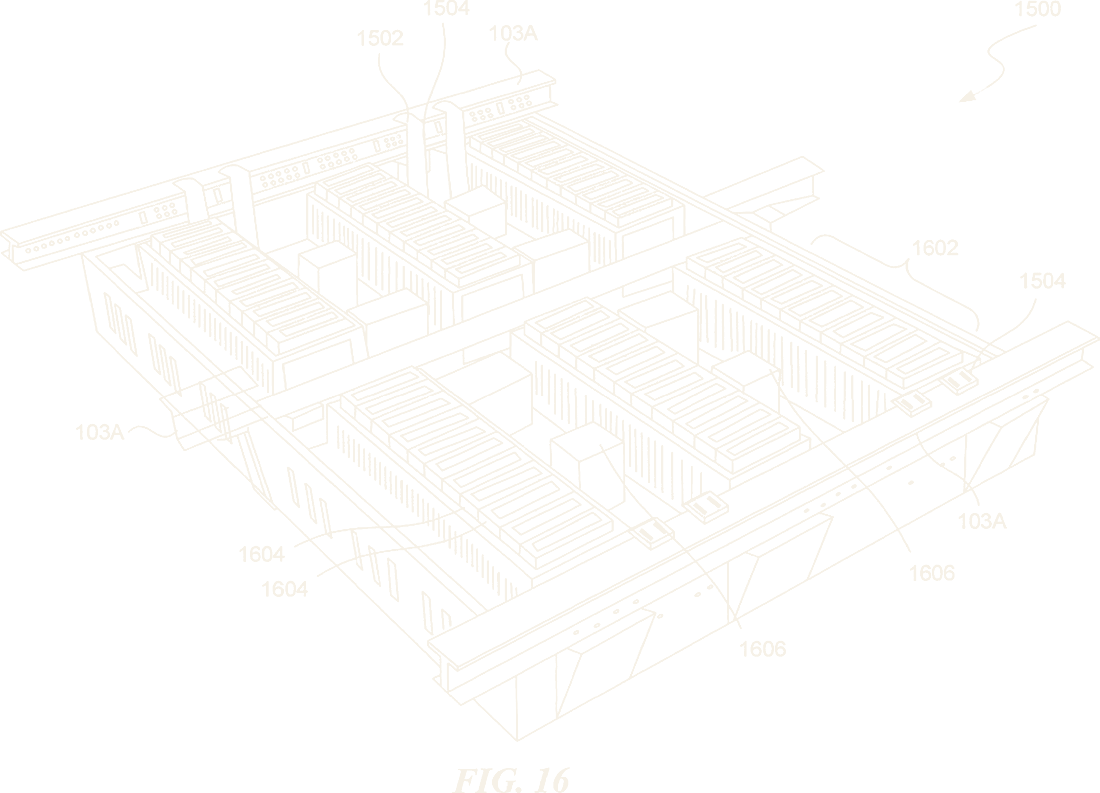
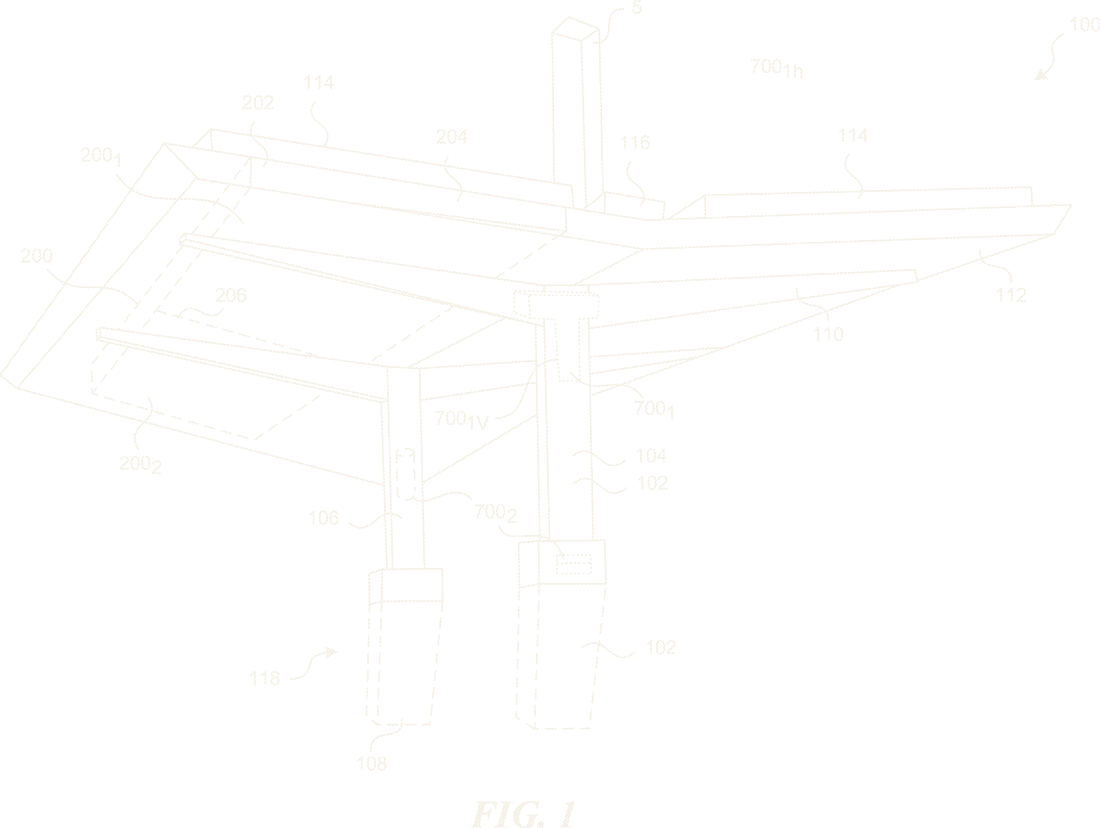
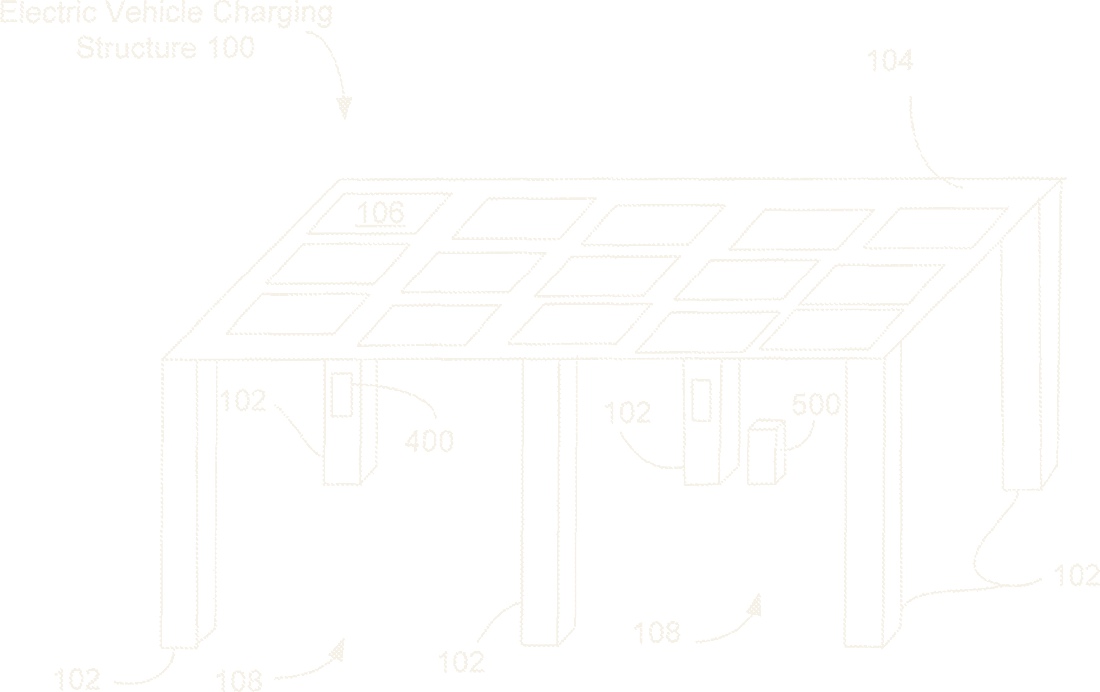
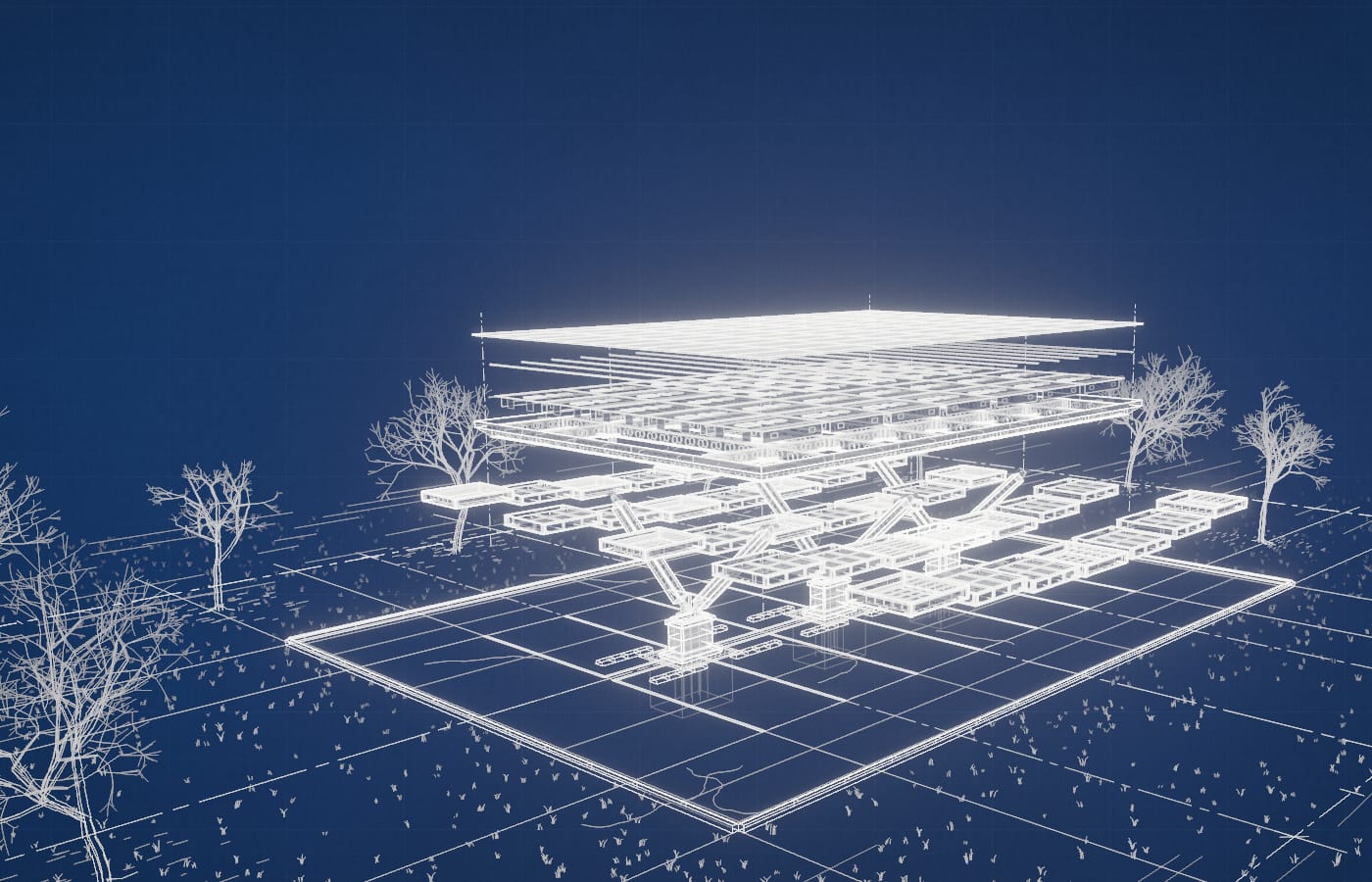
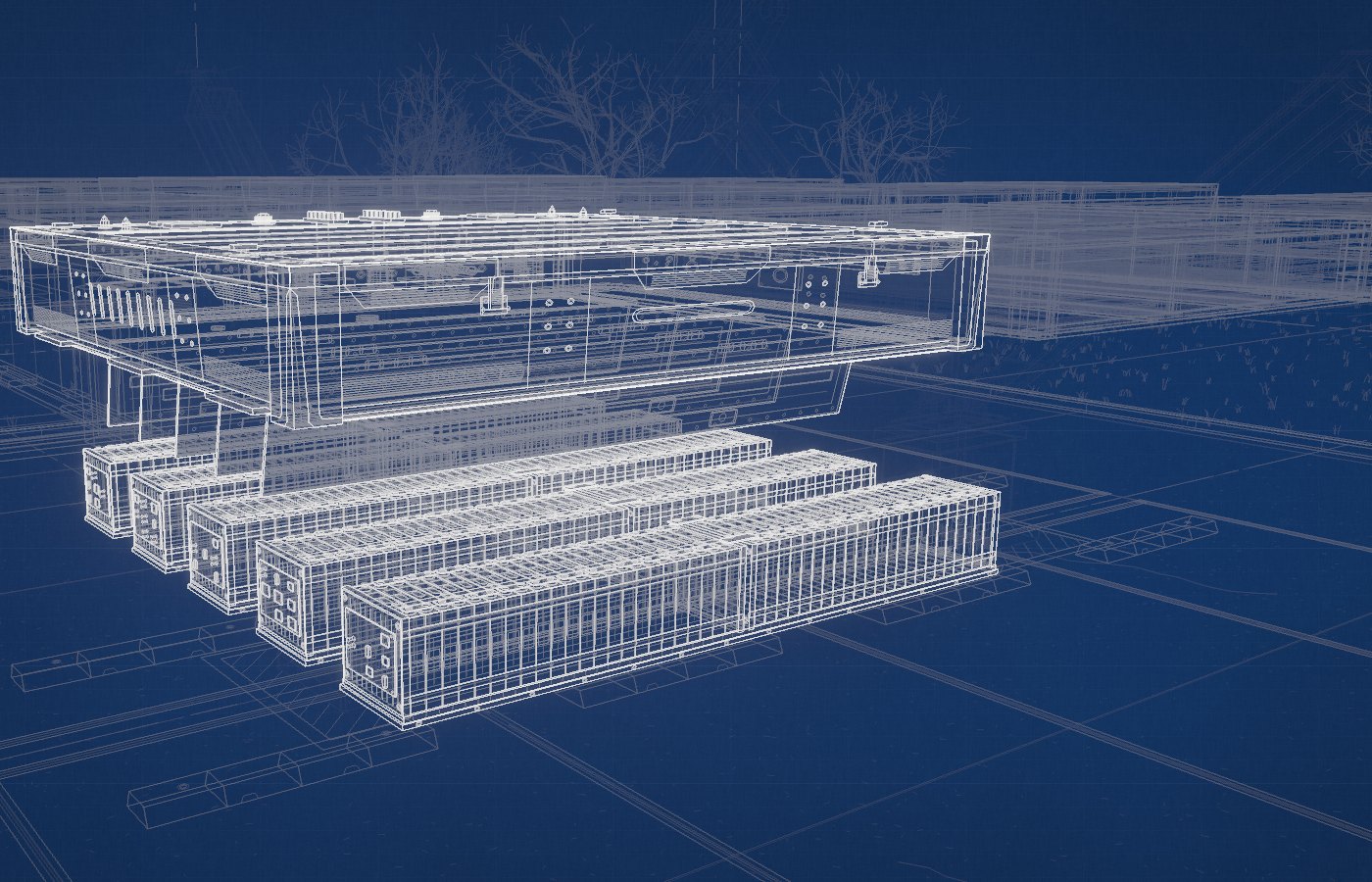
Our proprietary canopy runs on a modular cartridge system, mixing GPU Cartridges and Battery Cartridges to suit each site.

Battery Cartridges store solar energy and charge from the grid off-peak, minimizing grid stress from GPU demand and optimizing energy costs.

Every cartridge connects to the canopy ceiling, sharing power infrastructure and closed-loop cooling.

The GPU Cartridge

Modular containers, docked into the ceiling.

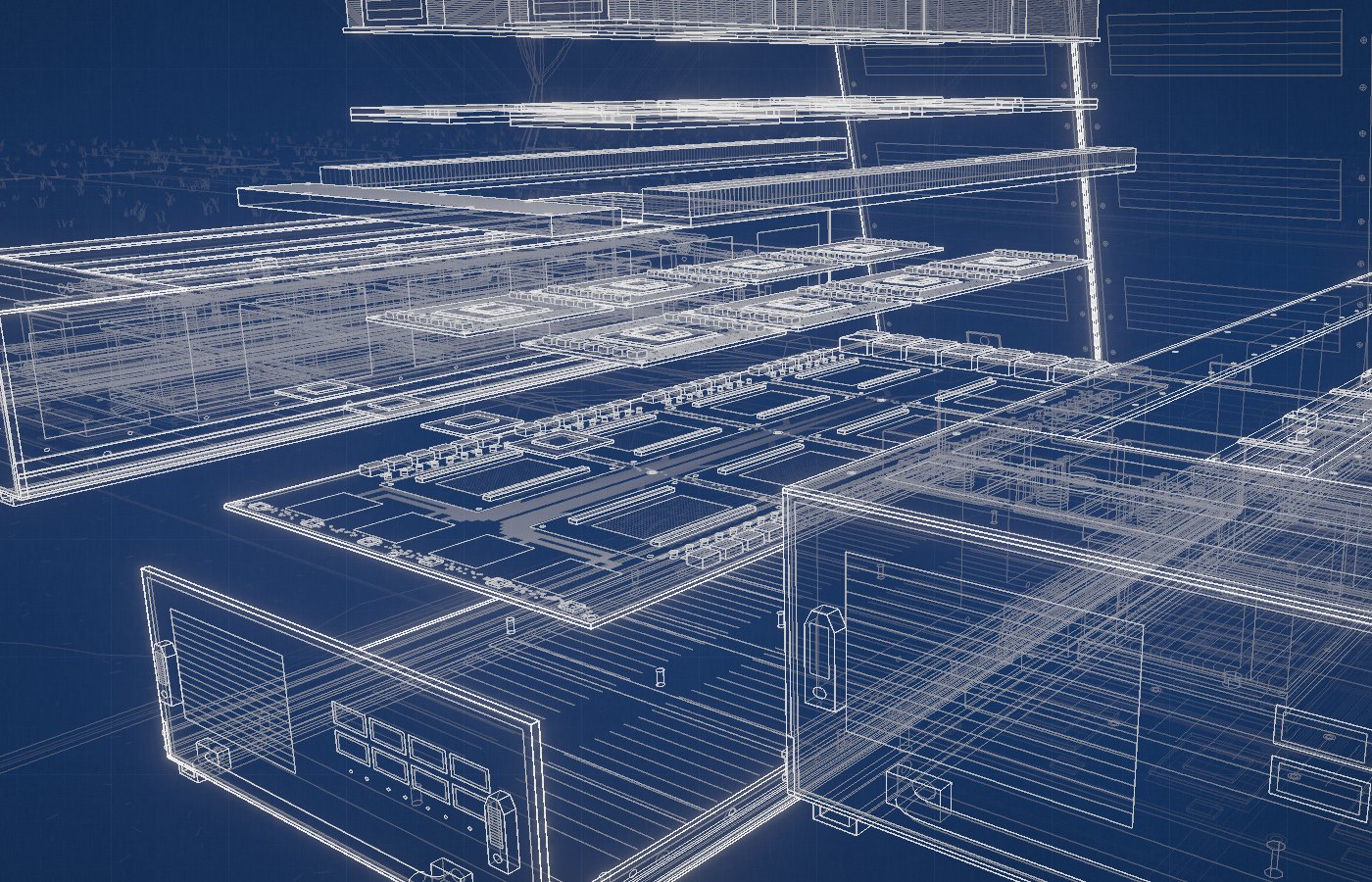
Each GPU Cartridge holds multiple GPU Units in a single integrated enclosure, connecting to power and networking at the canopy ceiling.

Capacity
Multiple GPU Units
Installation
Scissor Lift
Connectivity
Ceiling Docking
Cooling
Closed-Loop Liquid

The GPU Unit

The compute inside every cartridge.

High-density GPU servers power AI compute within each GPU Cartridge.

Compute
High-Density Accelerators
Power
Canopy-Supplied
Cooling
Closed-Loop Liquid
Form Factor
Modular Cartridge Integration

The Battery Cartridge

High-capacity storage in the same form factor.

Store solar and off-peak grid energy to power operations around the clock. Mix with GPU Cartridges to optimize for compute density or energy independence.

Storage
High-Capacity
Charging
Solar and Off-Peak Grid
Grid Role
Peak Shaving
Form Factor
Matches GPU Cartridge

Inside the Battery Cartridge

Behind-the-meter storage.

Energy storage supports the grid by storing off-peak energy while decreasing peak loads, which accelerates interconnection and decreases energy costs.

  • Canopy solar feeds local storage and compute loads, alongside the grid
  • Peak-shaving and curtailment resilience
  • Same modular form factor as the GPU Cartridge

Ground-Up Installation

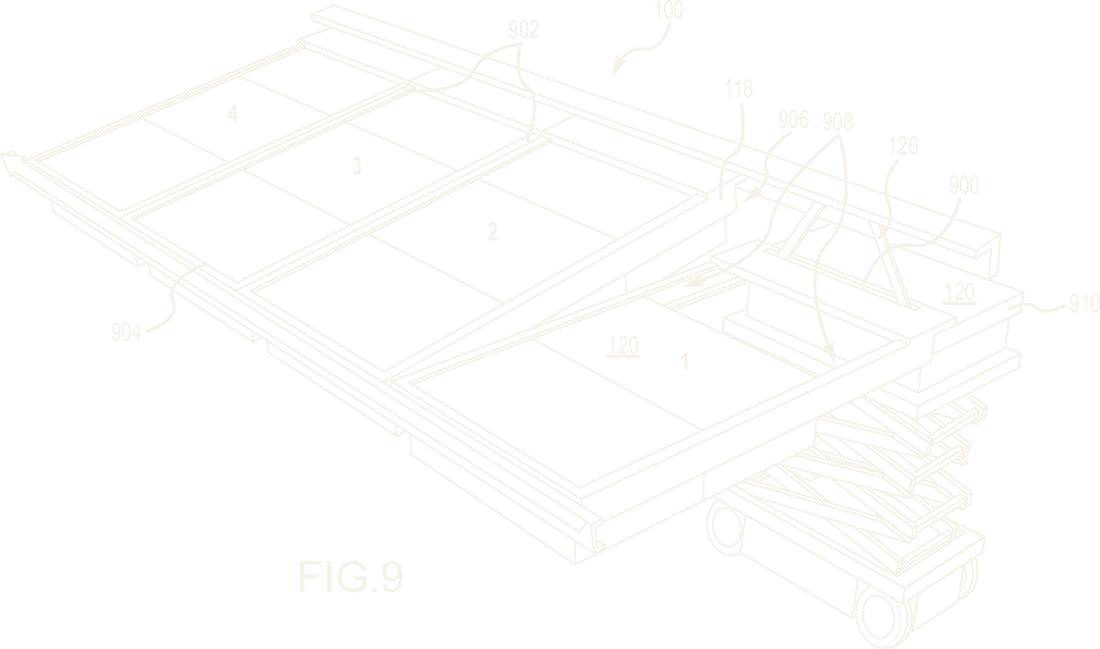
Just a scissor lift and a parking spot.

Cartridges rise from ground level on a standard scissor lift, then dock and connect to power and networking. Rapid deployment and maintenance, with no specialized equipment.

The Market

AI compute demand is surging.

AI inference demand is outpacing the data centers built to serve it, and traditional builds can't scale fast enough. LT350 delivers a smarter approach.

PowerGrid interconnection queues stretch into years
LandSites near substations and fiber are scarce
LatencyInference is moving to where data is generated

Who We Build For

Compute where the work happens.

Canopies serve the customers who need low latency, data that stays local, and dedicated hardware close to where it is used.

  • Defense and Government

    Secure, distributed compute for national security and agency workloads that cannot leave controlled sites.

  • Hospitals and Health Systems

    Inference beside the clinical data it serves, with patient data kept behind the hospital’s firewall.

  • Financial Institutions

    Dedicated, low-latency hardware for sensitive, high-value workloads.

  • Autonomous Vehicle Fleets

    Inference and data offload where vehicles park, charge, and return.

  • Robotics Fleets

    Fleets that coordinate need on-site latency, which can move compute off each robot and lower its cost.

  • Hyperscalers and Neoclouds

    Distributed capacity that adds to central campuses without new land or long grid queues.

  • Frontier Model Developers

    Inference capacity close to users as models move from training into everyday use.

  • Enterprises and Research Campuses

    Private compute within feet of the teams and systems that use it.

The LT350 Advantage

Purpose-built infrastructure for the AI compute challenge.

  1. Power-Sovereign Infrastructure

    Canopy solar and storage behind the meter reduce operating costs, meet sustainability mandates, support the grid, and streamline interconnection.

  2. Integrated Battery Storage

    Storing off-peak energy while decreasing peak loads accelerates interconnection and lowers energy costs.

  3. Sized to the Existing Grid

    Each site is sized to the spare capacity on its circuit, with batteries carrying the canopy through peak hours. LT350 brings the data center to the grid instead of the grid to the data center.

  4. Rapid and Low-Cost Deployment

    No land acquisition, no transmission buildout, and no lengthy permitting. Deploy over parking lots and other existing sites at a fraction of traditional data center cost and time.

  5. Modular Scalability

    Hot-swappable cartridges enable rapid deployment, high efficiency inference, and seamless upgrades that optimize GPU utilization.

  6. Distributed Edge Deployment

    Compute closer to end users decreases latency and maximizes data security for inference across sensitive, high-revenue applications.

  7. Quiet and Within Local Limits

    Designed to operate within local noise abatement ordinances and utility power thresholds.

  8. Closed-Loop Cooling

    Liquid cooling runs in a sealed loop, so the canopy leaves the local water supply untouched.

Protected Innovation

Patents across the full stack.

LT350’s issued patents protect the canopy in the United States and Europe, grouped below in four families. Continuation filings stay pending behind them, so protection can extend to new claims as the technology develops.

  • Canopy structures
  • Modular compute cartridges
  • Battery systems
  • Closed-loop liquid cooling
  • Power-aware operation
  • Distributed mesh connectivity
  • Mobility and logistics integration

Issued patent families

Prefabricated

Built in a factory, plugged in on site.

Canopies and cartridges are prefabricated, so most of the work happens before anything reaches the site. Less permitting and less labor on site make every canopy faster and less expensive to deploy.

  • Permit a Canopy

    A canopy permits as a solar canopy with battery storage and EV charging, a structure communities already know.

  • Build In the Backbone

    Power, fiber, networking, cabling, switches, and connectors go into the structure from the start. Solar can be added at any time.

  • Plug In Cartridges

    GPU and Battery Cartridges arrive prefabricated from the factory, then plug in and start up on site.

  • Add Compute When Ready

    GPU Cartridges join a standing canopy whenever demand is there, without new construction.

Security

Hard to reach, and worthless if taken.

Every cartridge bolts to the canopy’s steel girders about 16 feet above the pavement, and its weight means removing one takes industrial equipment. If anyone tries, layered safeguards leave nothing of value to take.

  • Intrusion Detection

    Fail-safe sensors detect tampering at the cartridge.

  • Data Transfer

    Workloads and data move off a cartridge under threat.

  • Data Wipe

    Anything left on the cartridge is erased.

  • Hardware Disable

    The unit disables itself, so stolen hardware does not run.

The Business Model

Property owners share in the AI buildout.

Most property owners are shut out of the largest infrastructure buildout in the country’s history. LT350 invites them in, joining their sites into one network, and partner sites share in revenue as GPU buyers fill capacity across it, first come, first served.

That aggregated footprint gives LT350 the scale to pursue hyperscale, frontier model, and neocloud contracts for deployments in 2028 and beyond.

Canopies earn two ways: managed hosting, running inference on site for end users, and colocation, providing distributed data center infrastructure to hyperscalers that bring their own compute.

  • Lease

    No investment required. A simple lease gives LT350 the airspace above the parking lot, and the owner earns lease income.

  • Partner

    The lease is valued and counted as contributed equity, and additional investment can bring the owner up to a 49% interest in the LLC that operates the canopies on its property.

Exploded ViewPower · Storage · Compute

Whitepaper · Executive Summary

AI Infrastructure for the Inference Economy

AI is driving unprecedented growth in global compute demand, and traditional data center models are hitting hard constraints in power, land, and latency.

LT350 introduces a fundamentally different architecture: distributed, power-sovereign, modular AI data centers that integrate GPU cartridges, battery storage, and local fiber backhaul, built for the hyperscalers, enterprises, hospitals, and autonomous vehicle fleets that need compute close to where data is generated.

Read the Full WhitepaperDownload PDF

PDF · 10 pages · 1150 KB

Where Canopies Go

Solving the AI compute crisis, one parking lot at a time.

Parking lots come first, and the parking stays in use. A PowerCanopy needs a power connection and fiber, not a purpose-built campus, so it also works at these sites.

  • Stadiums

    Power infrastructure built for game day sits idle most of the week.

  • Hospital Campuses

    Dedicated compute next to the clinical data it serves.

  • Airports

    Canopies over terminal parking and airport structures.

  • Fleet Depots

    Local inference and data offload where vehicles return.

  • Retail Centers

    Mall and convenience store lots, close to the people they serve.

  • Corporate and Research Campuses

    Dedicated hardware within feet of the teams that use it.

  • Ranches and Oil Fields

    Open land and working energy sites with power already in place.

Frequently Asked Questions

What people ask about LT350.

Short answers on the PowerCanopy, where it goes, and how it runs.

01

What is LT350?

LT350 builds distributed AI data centers. Each one is a PowerCanopy: a modular canopy that combines power infrastructure, battery storage, and GPU compute in a single structure, deployed over sites that already exist instead of on new data center campuses.

02

What is a PowerCanopy?

A canopy whose ceiling is a modular grid of cartridges. GPU Cartridges hold the compute and Battery Cartridges hold the storage. Every cartridge docks into the ceiling and shares the canopy’s power, closed-loop cooling, and networking, so each canopy runs as a self-contained data center.

03

Where can canopies be deployed?

Anywhere with a power connection and fiber. Parking lots are the start, and the parking stays in use. Stadiums are a strong fit, because power infrastructure built for game day sits idle most of the week. The same canopy deploys on hospital campuses, airports, fleet depots, retail centers, corporate and research campuses, and even ranches and oil fields.

04

Does a canopy take away parking?

No. The canopy stands over the lot, and every space stays in use underneath it.

05

How is a site sized?

To what the existing electrical infrastructure supports. Most distribution circuits run well below their capacity, and the ones that reach it do so for only a few hours a year. LT350 evaluates the service to each site and the spare capacity on its circuit, sizes the GPU load to that capacity less a reserve set with the utility, and sizes the batteries to carry the canopy through the circuit’s peak. LT350 brings the data center to the grid instead of the grid to the data center, which is a large part of why canopies deploy quickly.

06

Why distribute AI compute instead of building large data centers?

Traditional data centers are running into three limits at once. Grid interconnection queues stretch into years, land near substations and fiber is scarce, and AI inference is moving to where data is generated. Canopies use land that is already in use and put compute next to the people and systems it serves.

07

How is a canopy powered?

Each canopy works with the grid and integrated battery storage. Battery Cartridges charge off-peak and supply peak demand, which keeps power costs predictable and eases the load on the local grid. Canopy solar adds a supporting source behind the meter.

08

How are the GPUs cooled?

With closed-loop liquid cooling. Coolant circulates in a sealed loop through the canopy ceiling, so a canopy draws nothing from the local water supply.

09

How fast can a canopy be deployed?

In weeks or months, not years. There is no land to acquire and no greenfield construction. Cartridges are built in the factory, rise from the ground on a standard scissor lift, and dock into the ceiling, with no specialized equipment.

10

Can a canopy go up before the GPUs?

Yes. A canopy can be permitted and built as a solar canopy with battery storage and EV charging, with power, fiber, networking, and connectors built into the structure from the start. GPU Cartridges can be added at any time, and solar can be added later if a site starts without it.

11

Can capacity grow over time?

Yes. Cartridges are hot-swappable, so a site adds compute and storage as demand grows and moves to new GPU generations by swapping cartridges, without rebuilding the canopy. Capacity can also grow as the utility upgrades the grid around a site.

12

How does LT350 work with utilities?

As a long-term partner on the circuit. A canopy uses capacity the grid already has, and as a utility plans upgrades to its substations and circuits, LT350 is a committed customer ready to use the new capacity. A known paying customer helps a utility justify upgrades and lowers their cost to ratepayers, and lets a site grow well beyond its first canopy.

13

How are the cartridges secured?

Each cartridge bolts to the canopy’s steel girders about 16 feet above the pavement, and its weight means removing one takes industrial equipment. Fail-safe intrusion detection watches every cartridge. If tampering starts, workloads and data move off the cartridge, what remains is wiped, and the hardware disables itself, so there is nothing of value to take.

14

Will a canopy disturb its neighbors?

No. Canopies are designed to operate within local noise abatement ordinances and utility power thresholds.

15

Who is LT350 built for?

Defense and government agencies, hospitals, financial institutions, autonomous vehicle and robotics fleets, hyperscalers, frontier model developers, neoclouds, and enterprises: anyone who needs low-latency inference, data that stays local, and dedicated hardware close to where it is used.

16

What does LT350 offer defense and government?

Secure, distributed AI infrastructure that keeps sensitive data on controlled sites and keeps running when any one site goes down. Former U.S. Secretary of Defense Mark T. Esper serves on LT350’s board, helping position AI infrastructure as a national security priority.

17

Why do robotics fleets need nearby compute?

Latency. Robots carry their own compute, but it falls short once a fleet has to coordinate. A canopy on site gives the fleet very low latency, and with that compute nearby, much of the compute on each robot can be removed, lowering the cost of every robot.

18

How do property owners take part?

Two ways. An owner who prefers no investment signs a simple lease for the airspace above the parking lot. An owner who wants a share of the revenue can count the lease value as contributed equity and invest further, up to a 49% interest in the LLC that operates the canopies on its property.

19

Is the technology protected?

Yes. LT350 holds issued patents in the United States and Europe, from the founding battery compartment canopy to energy storage canopies and the methods for loading cartridges into them. Continuation filings stay pending behind the issued patents, so protection can extend to new claims as the technology develops.

Get in Touch

Interested in learning more about the LT350 PowerCanopy?

We use your details only to reply. See our privacy notice.